
2 hr
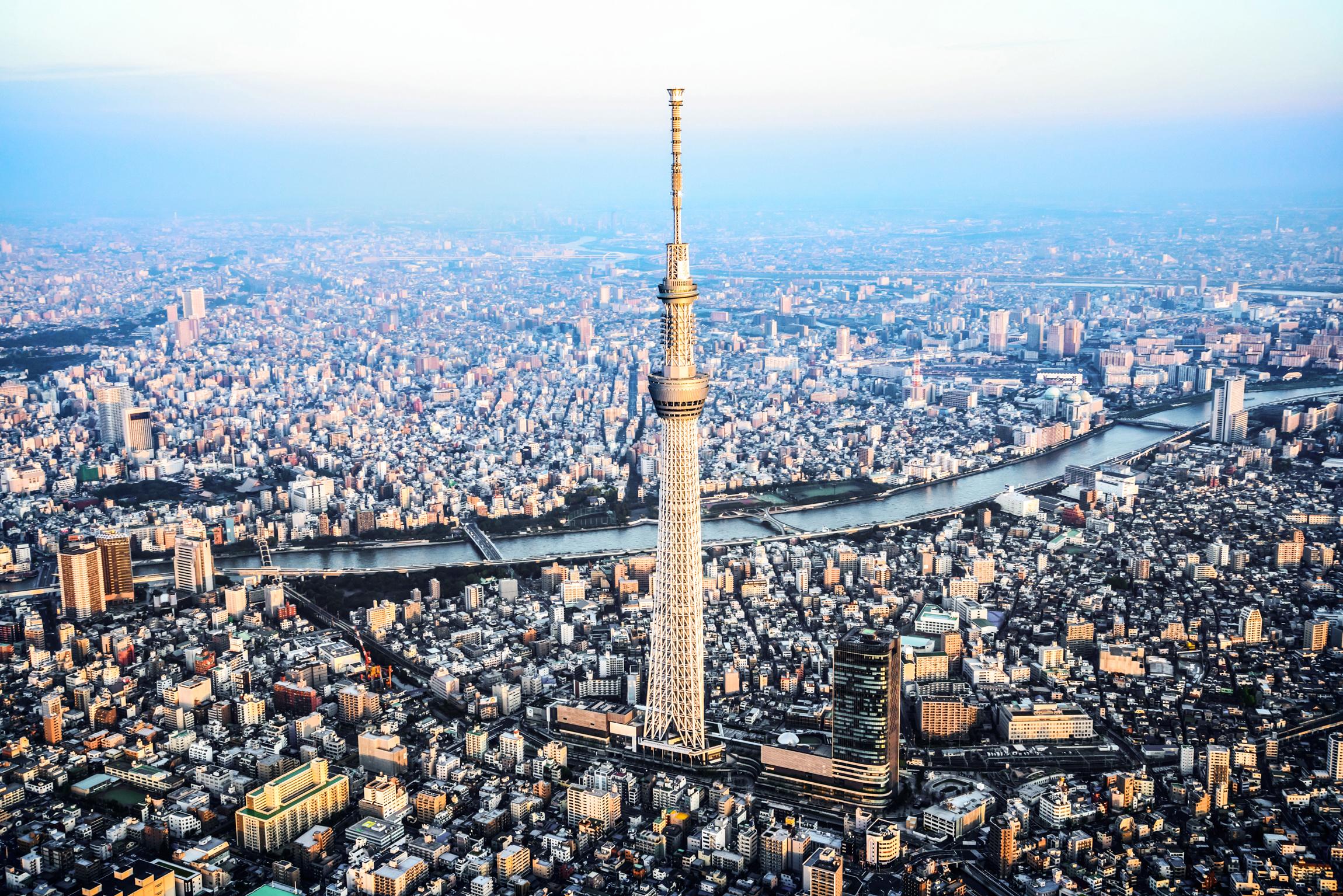
Tokyo Skytree Observation Deck Entry
Ascend Japan's tallest structure for sweeping city panoramas from two sky-high observation levels
Reserve
Hand-picked by our editors — only the best 5 Kyoto cultural experiences from 47 reviewed.
Verified partners for every tour, free cancellation where available, and instant confirmation on every booking.
2 hr
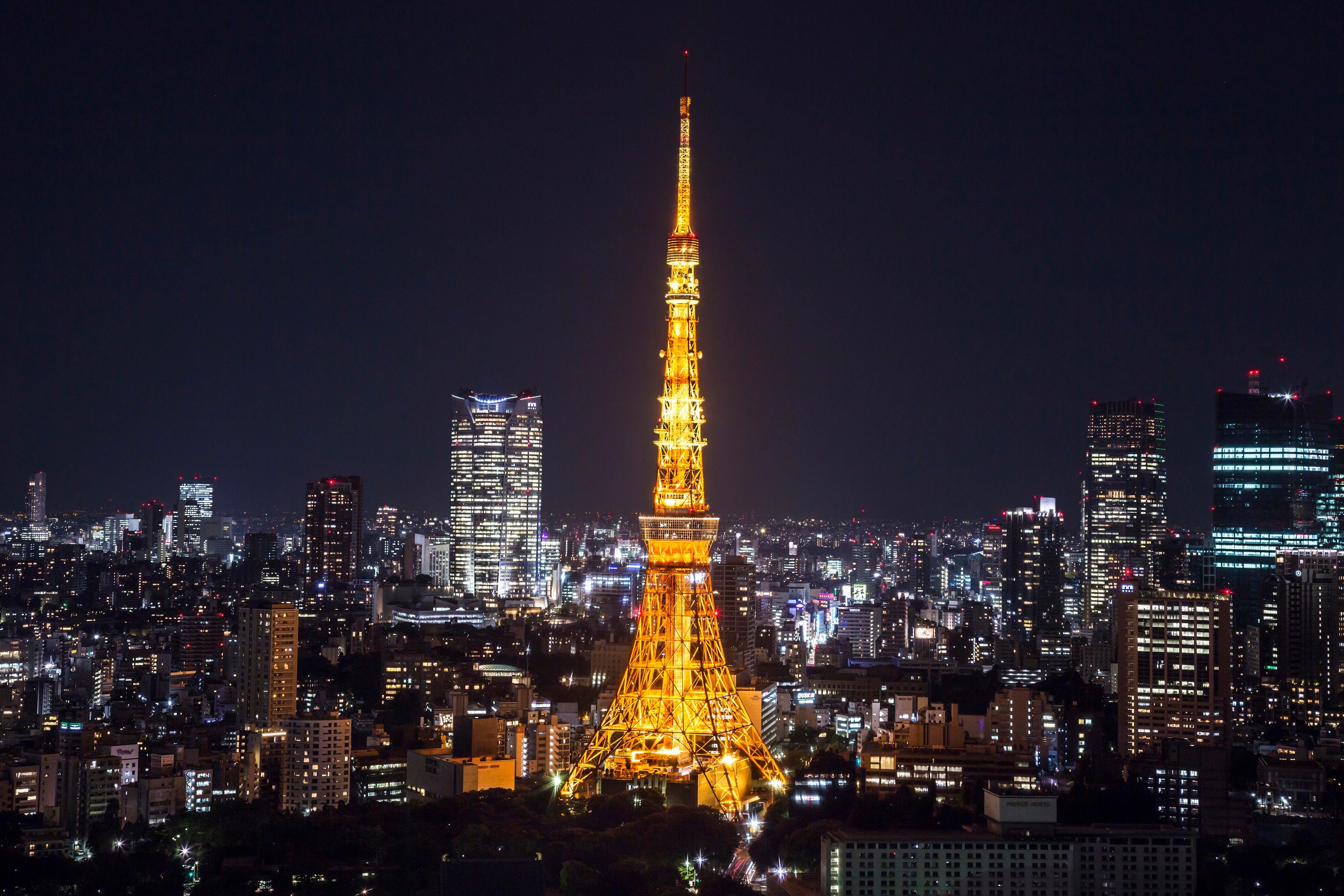
Ascend Japan's tallest structure for sweeping city panoramas from two sky-high observation levels
Reserve
2 hr
Ascend this 1958 landmark for sweeping city vistas from two observation levels in central Tokyo.
Reserve
2 hr
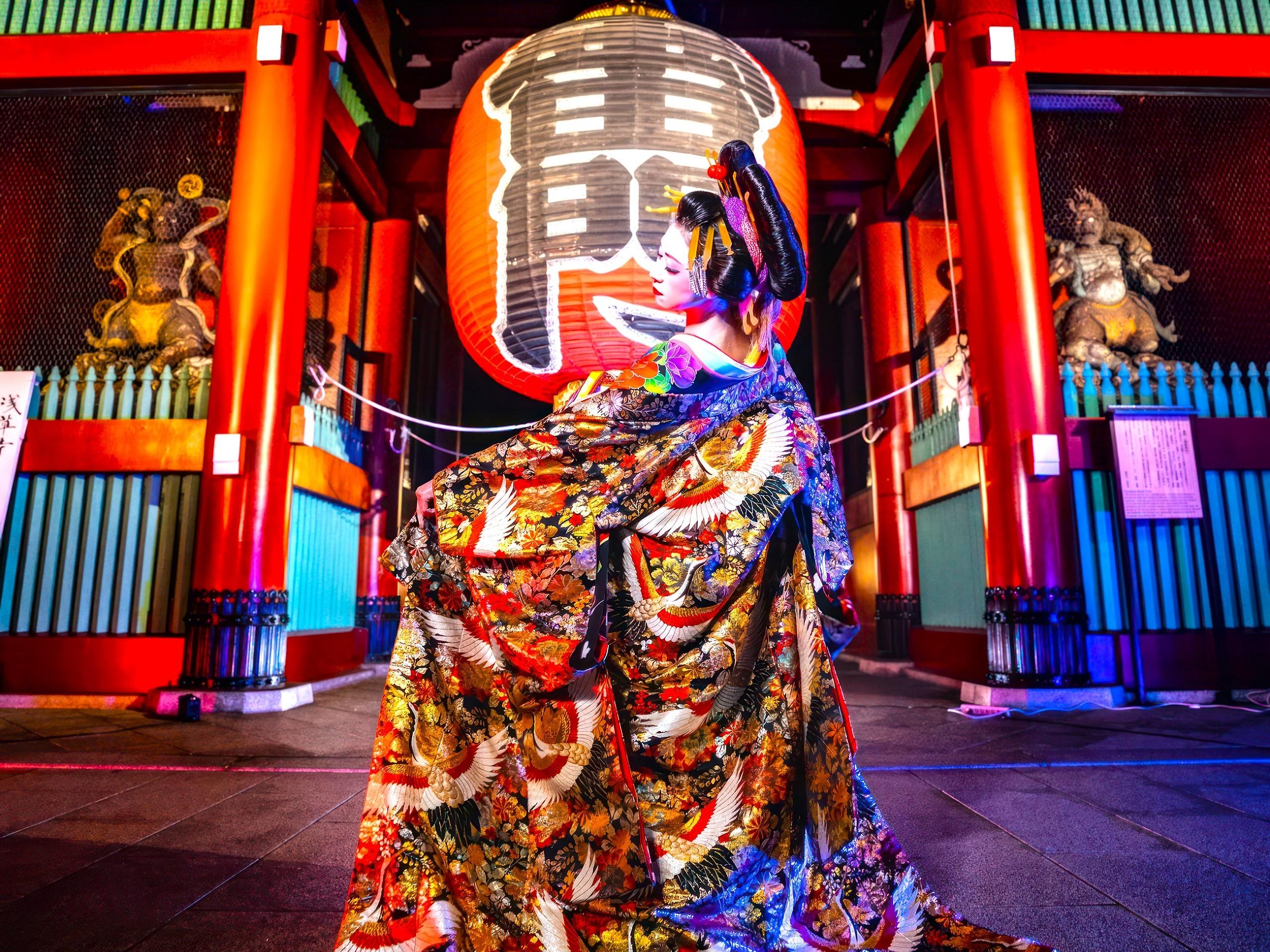
Experience a mesmerizing fusion of traditional Japanese dance and modern music at Tokyo's premier cabaret theater
ReservePrices from verified partners. Availability updates in real time at checkout. Free cancellation policies apply where shown.
The landmarks, rooms, and views travelers on this tour remember — all visible on a single visit.
The venue for the authentic tea ceremony, showcasing traditional tatami design and tea-making implements.
A revered deity statue located at the temple, associated with family succession and prosperity.
A stone fountain used for the traditional ritual cleansing before entering the temple spaces.
The primary structure of the temple, reflecting historic Edo-period wooden architecture.
Choosing between these experiences depends on your preference for quiet spiritual immersion versus structured cultural education. While ju an jotokuji temple provides a serene encounter within an active religious site, commercial alternatives like Camellia offer more standardized scheduling for Kyoto landmarks.
| Feature | Top pick Ju-An Jotokuji Temple | Camellia Tea Ceremony |
|---|---|---|
Setting/Atmosphere |
Private temple garden | Traditional tea house facility |
Group Size |
Intimate groups | Small to medium groups |
Authenticity Level |
Traditional meditative focus | Educational demonstration style |
Booking Flexibility |
Advance reservation required | Variable schedule options |
Accessibility |
Shimogyo Ward location | Centralized tourist access |
| See tickets → |
Verdict: If you prioritize tranquil surroundings, ju an jotokuji temple tickets offer a superior atmosphere, whereas those seeking flexible ju an jotokuji temple tour alternatives may prefer the convenience of established centers, though checking for official ju an jotokuji temple tours remains the best way to secure your preferred slot.
Choose your ticket, select your date, and reserve in under two minutes. Secure checkout handled by our verified partner.
Instant confirmation by email, with a mobile voucher you can save offline. No printing, no queuing at a collection desk.
Arrive at the entrance, show your voucher on your phone, and walk in. Most tickets include priority or skip-the-line access.
Practical details for your visit straight from our verified partners — hours, access, rules, and how to get there.
556 Motoshiogamacho, Kyoto
Meet the guide near the tea room entrance
Take the Kyoto City Subway to Gojo Station and walk 4 minutes to ju an jotokuji temple.
A direct taxi from Kyoto Station to ju an jotokuji temple takes about 10 minutes depending on traffic.
Casual comfortable attire is appropriate for visiting ju an jotokuji temple. Guests should wear clean socks as shoes are removed before entering the tea room.
There are no lockers at ju an jotokuji temple, so please travel light. Large bags may need to be left outside or held by your group during your visit.
Photography is permitted within the grounds of ju an jotokuji temple. Guests are encouraged to take photos during the ceremony, provided it does not disrupt the instructor or other participants.
The temple grounds are generally accessible for visitors to ju an jotokuji temple. The tea room interior has steps, but chairs are available for those who prefer not to sit on tatami mats.
Please set mobile phones to silent mode while inside the tea room at ju an jotokuji temple. Using devices for photos is generally acceptable if done discreetly.
Families are welcome at ju an jotokuji temple, though the tea ceremony is best suited for children aged 5 and older. Younger children should be supervised to maintain the quiet atmosphere.
No food or beverages are permitted on the temple grounds of ju an jotokuji temple. Matcha and traditional sweets are provided as part of the scheduled tea ceremony experience.
Pets are not permitted within the temple buildings or the tea ceremony facility at ju an jotokuji temple. Service animals should be cleared with the operator in advance.
The ju an jotokuji temple experience combines a guided walk with a traditional tea ceremony. It is recommended to arrive early to ensure you have time to explore the temple architecture.
Best time to go, insider tips, nearby landmarks, and the cancellation fine print — flip through to skim what matters to you.
How crowds, weather, and events shift across the year.
Mild temperatures and cherry blossoms make the temple grounds particularly scenic for ju an jotokuji temple visits.
Expect warm, humid conditions; visiting ju an jotokuji temple in the morning helps avoid the midday heat.
Cooler air and autumn leaves provide ideal light for photography around the ju an jotokuji temple.
December 23rd features the unique Kabocha Kuyo festival, a highlight at ju an jotokuji temple.
Small details that turn a good visit into a great one.
Ju an jotokuji temple tea sessions are popular; secure your spot at least one week in advance.
You will remove your shoes at the tea room entrance, so clean socks are essential.
Visit ju an jotokuji temple on weekday mornings for the most tranquil experience.
Research the basics of the tea ceremony before visiting to deepen your appreciation of the ritual.
Always ask before taking photos of other guests during your ju an jotokuji temple tour.
Non-bookable sights within a short walk — free to visit, easy to pair.
A massive, historic wooden temple complex nearby.
Flexible, no hidden fees.
Ju-An tea ceremony bookings at ju an jotokuji temple allow free cancellation up to 24 hours in advance for a full refund. Please note that while grounds entry is 0 JPY, the tea ceremony requires a separate fee.
Hand-picked options within walking distance — pick a district for vibe, or a specific hotel for convenience.
Convenient local stay within walking distance of the temple.
Ju-An Jotokuji Temple houses one of Kyoto's most intimate tea ceremony spaces, a facility where the four-century-old ritual of chanoyu unfolds exactly as Sen no Rikyū codified it in the late sixteenth century. The tea house sits within Jotokuji Temple grounds in Shimogyo Ward, a district that escaped the 1864 Hamaguri Rebellion fires and preserves Edo-period urban fabric rare in modern Kyoto. Free admission to the temple grounds permits visitors to observe the traditional architecture, but the tea ceremony itself—conducted inside Ju-An's tatami room—requires advance reservation and a separate participation fee. The structure follows sukiya-zukuri design principles: low doorways force a bow, alcoves display seasonal scrolls, and proportions echo the four-and-a-half-mat layout that Rikyū declared ideal. Shimogyo Ward once served as Kyoto's merchant quarter, and Jotokuji Temple ministered to textile traders whose wealth funded its seventeenth-century reconstruction. Ju-An was added later as a lay practice space, distinct from the main worship hall. Today the tea house operates as a cultural facility rather than a commercial tearoom, prioritizing instruction and preservation over volume. Ceremony sessions run daily between 09:00 and 17:00, with morning slots offering the quietest environment. Participants kneel on tatami while a certified tea master prepares matcha using choreographed movements—scooping powder, whisking water heated over charcoal, rotating the bowl precisely twice before presenting it. The ritual lasts forty to sixty minutes. Silence is observed except for the host's brief explanations of each gesture. Observers note the deliberate slowness, the elimination of excess motion, the focus on texture and temperature. No photography is permitted during the ceremony itself, preserving the meditative atmosphere that distinguishes Ju-An Jotokuji Temple tea experiences from tourist-oriented demonstrations elsewhere in Kyoto. The temple grounds remain open to the public without charge, allowing visitors to explore the garden and exterior structures independent of tea ceremony participation.
"Low doorways force a bow, alcoves display seasonal scrolls, and proportions echo the four-and-a-half-mat layout that Rikyū declared ideal."
A step-by-step walkthrough of the visit — what you'll see, how long each stage takes, and the details that matter.
You remove your shoes at the threshold and step onto cool tatami. The tea master kneels opposite you, back straight, hands resting on thighs. A scroll hangs in the alcove behind him—calligraphy you cannot read but recognize as seasonal. He lifts the ceramic tea bowl with both palms, sets it on the mat, scoops matcha powder with a bamboo ladle. Three precise scoops. Water simmers over charcoal in an iron kettle. He pours, then whisks. The motion is fast, controlled, producing foam the color of jade. He rotates the bowl twice—you count the turns—and slides it toward you. You lift it, rotate it back, sip. The tea is bitter, grassy, hotter than expected. You set the bowl down with both hands. The master nods once. Outside, the garden holds white gravel and a single pruned pine. You walk the perimeter after the ceremony ends, circling the main hall where incense drifts through open doors. Other visitors photograph the temple gate, but the tea house itself remains closed to casual entry. You leave through the same threshold where you arrived, shoes returned, forty minutes collapsed into a sequence of gestures you will remember longer than you expect.
The temple grounds are open from 09:00–17:00 daily.
Entry to the temple grounds is 0 JPY, but the tea ceremony at Ju-An requires a separate fee.
Yes, as the tea ceremony is a popular experience, it is highly recommended to book your ju an jotokuji temple tickets in advance.
Photography is permitted during the tea ceremony and around the temple, provided it is respectful.
While the grounds are generally accessible, the tea room at the temple has steps.
Weekday mornings between 09:00–11:00 are best for a quiet, crowd-free experience.
Yes, children are welcome at ju an jotokuji temple, though the tea ceremony is best suited for ages 5 and up.
No, external food and drink are not allowed on the grounds of ju an jotokuji temple.
The temple is a 16-minute walk from Kyoto Station or a 4-minute walk from Gojo Station.