
English| EUR
Suggested for you
More currencies
Choose a language
Every Japanese tea ceremony centers on a single ingredient prepared with ritual precision. The type of matcha, its grade, and the method of preparation distinguish authentic chanoyu from casual tea drinking. Understanding these distinctions reveals why ceremonial tea tastes, looks, and feels different from matcha served elsewhere.
Quick answer
Japanese tea ceremony uses ceremonial-grade matcha, a finely powdered green tea stone-ground from shade-grown tencha leaves. Two preparations define the ritual: koicha, a thick tea made with roughly three times the powder-to-water ratio of standard matcha, and usucha, a thinner, lighter tea whisked to a froth. Both require gyokuro-quality leaves from specific cultivars like Samidori or Asahi, processed without stems or veins and ground to talcum fineness.
The matcha served in authentic tea ceremony comes from tea gardens where leaves spend their final weeks under shade cloth, a technique that concentrates chlorophyll and amino acids while suppressing bitterness. This shade-growing period, lasting twenty to thirty days before harvest, produces tencha leaves with the sweetness and umami essential to ceremonial tea. After steaming and drying, workers remove every stem and vein by hand, leaving only the leaf tissue that will be stone-ground into powder fine enough to suspend in water without grit. What tea is used in Japanese tea ceremony depends on the moment within the ritual. Koicha, the thick tea, opens formal gatherings and demands the highest grade of matcha available. Tea masters measure approximately four grams of powder per guest into a single bowl, add a small amount of hot water just below boiling, and knead the mixture with a bamboo whisk until it reaches the consistency of melted chocolate. The resulting tea coats the tongue and releases layered flavors that linger. Usucha, whisked to an aerated froth with roughly two grams per serving, follows koicha or stands alone in shorter ceremonies. Its lighter body and bright green crema make it approachable, though the matcha itself comes from the same ceremonial stock. Jotokuji Temple sources its ceremonial matcha from Uji, the historic tea-growing region south of Kyoto where families have cultivated tea for the imperial court since the twelfth century. The temple's tea practitioners prepare both koicha and usucha during their sessions, adjusting water temperature and whisking technique to match the tea's character. Matcha oxidizes quickly once ground, so tea houses receive small batches milled within days of the ceremony and store the powder in lacquered caddies that block light and air. This vigilance over freshness separates ceremonial practice from commercial tea service, where matcha may sit for weeks. The cultivar matters as much as the grade. Samidori, Asahi, Okumidori, and Yabukita each contribute distinct flavor profiles, from Samidori's round sweetness to Asahi's assertive umami. Tea masters select cultivars that complement the season, the sweets served, and the mood of the gathering. A spring ceremony might feature Asahi's grassy brightness, while a winter session calls for Yabukita's warming depth. These choices remain invisible to most guests, yet they shape every sensory dimension of the ritual. What kind of tea is used in a Japanese tea ceremony reflects not just agricultural skill but centuries of aesthetic refinement. Visitors to Jotokuji Temple experience this layered tradition directly. The temple's tea practitioners explain the provenance of each day's matcha, demonstrate the whisking technique that determines texture, and allow guests to observe the color and aroma that signal proper preparation. Sessions run throughout the week, offering a practical entry point into the material culture of chanoyu. The temple grounds open daily from 09:00 to 17:00, with tea ceremony bookings managed separately from general admission.
“Matcha oxidizes quickly once ground, so tea houses receive small batches milled within days of the ceremony and store the powder in lacquered caddies that block light and air.”
The Japanese tea ceremony at Jotokuji Temple utilizes premium matcha, specifically categorized by its preparation method and grade. Understanding these distinctions enhances the appreciation of the ritual's refined traditions.
The ceremony uses high-grade matcha made from shade-grown green tea leaves, which are stone-ground into a fine powder. This process preserves the vibrant color and nutrient density required for traditional preparation.
The two primary styles are koicha, a thick, concentrated tea, and usucha, a thinner, more common variety. Koicha uses a higher ratio of tea to water, resulting in a syrupy consistency often reserved for formal tea gatherings.
Tea leaves intended for ceremonial matcha are shaded for several weeks before harvest to increase chlorophyll and l-theanine levels. This technique provides the tea with its characteristic umami flavor and reduces bitterness.
Traditional matcha is ground using stone mills, which operate slowly to prevent heat friction. This maintains the integrity of the delicate tea particles and ensures a smooth, frothy texture when whisked.
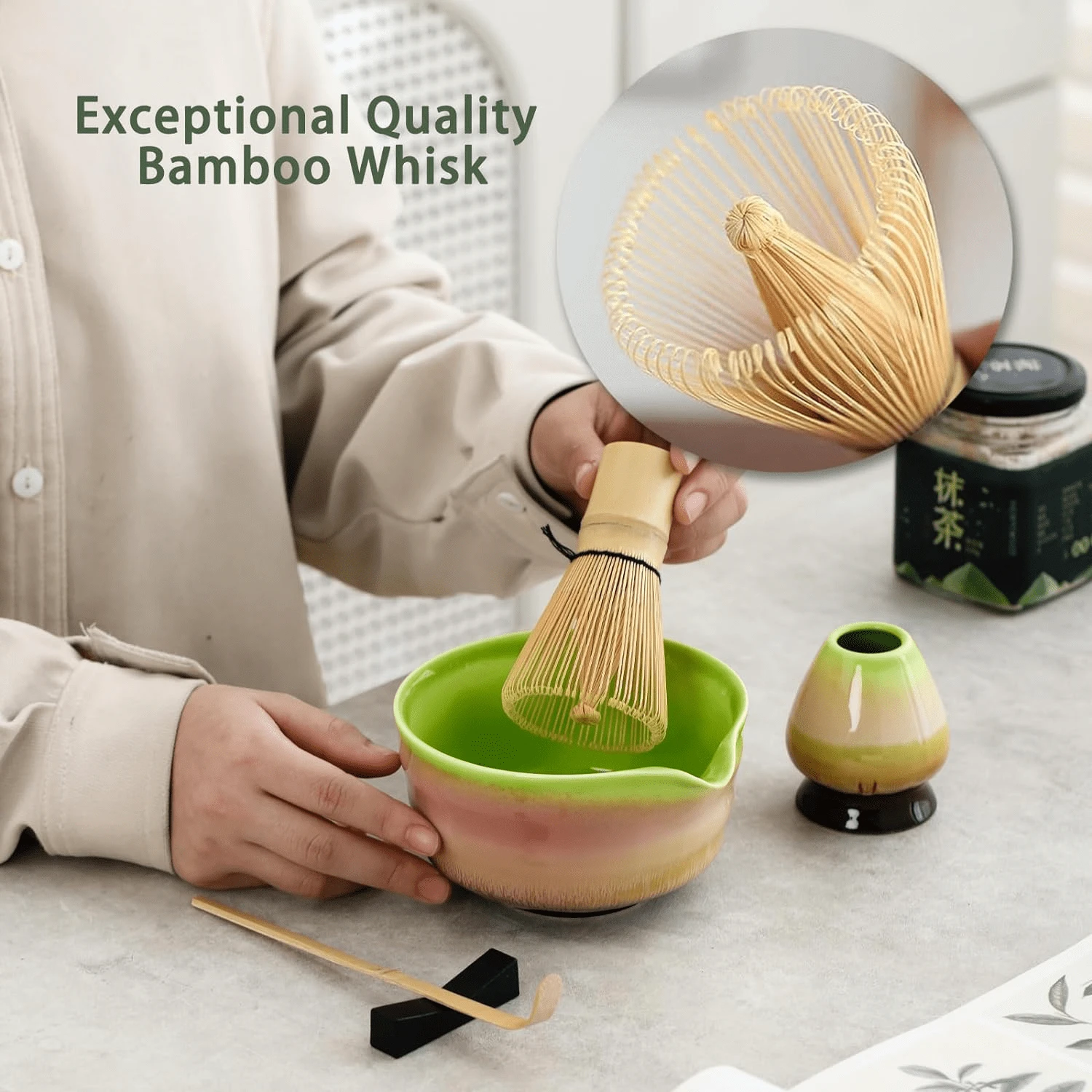
Usucha is prepared using a bamboo whisk to create a light, foamy layer on the surface. It offers a refreshing profile and is the standard form of tea served in most casual or semi-formal ceremonies.
Koicha is prepared by kneading the tea and hot water rather than whisking, creating a smooth, deep green paste. It represents the highest level of hospitality in the tea ceremony and requires the finest quality tea leaves.
Jotokuji Temple welcomes visitors for tea ceremony education and observation daily throughout the week.
Access to the Jotokuji Temple grounds is provided at no charge to visitors. Participation in the tea ceremony ritual requires a separate paid reservation.
Verdict: While temple entry is free, the cost for a tea ceremony session varies based on the specific reservation selected.
Jotokuji Temple is located at 556 Motoshiogamacho, Shimogyo Ward, Kyoto. The most convenient approach for visitors is via the Kyoto Municipal Subway or nearby bus lines serving the Shimogyo area.
Kyoto Municipal Subway Karasuma Line to Gojo Station
Kyoto City Bus to Karasuma Gojo stop
From Kyoto Station via Karasuma-dori
The best arrival window is 09:00–16:00, as weekday mornings typically provide a quieter environment for your tea ceremony experience.
The best arrival window is 09:00–16:00, with weekday mornings providing a quieter, more immersive environment for observing the preparation of matcha. Visiting during these times allows for a focused experience away from peak visitor numbers.
—
These times offer the most focused atmosphere for understanding the ritual.
Mild temperatures 15–22°C
The temple gardens are active during this period.
Cooler temperatures 12–20°C
Traditional tea preparation is often complemented by changing foliage.
Verdict: Weekday mornings between 09:00 and 12:00 during the months of April or October provide the most balanced experience.
Everything you need to know about what tea is used in japanese tea ceremony
Jotokuji Temple primarily uses high-grade ceremonial matcha, which is a finely ground powder made from shade-grown green tea leaves. This specific variety is chosen for its vibrant color and balanced flavor, consistent with traditional standards for what tea is used in japanese tea ceremony. Ceremonial grade matcha is sourced for its superior quality, ensuring the beverage is smooth and well-suited for whisking with a bamboo chasen. Visitors often ask about the profile of this ingredient when learning about what tea is used in japanese tea ceremony. While the core matcha remains consistent, some seasonal accompaniments or wagashi sweets may shift to reflect the current time of year. Understanding what tea is used in japanese tea ceremony helps guests appreciate the nuance of the ritual. You should visit the official site at https://teaceremonykyoto.com to secure your spot for a session. Reservations are recommended to ensure you can participate in this aspect of Kyoto landmarks. Koicha is a thick, concentrated tea, while usucha is a thinner, frothy version of the same green tea. Both represent different expressions of what tea is used in japanese tea ceremony. Families are welcome to join, though the environment is designed for quiet reflection. The ceremony offers a peaceful opportunity for guests of all ages to observe the preparation of traditional green tea.