1 hr 10 min
Traditional Tea Ceremony at Jotokuji Temple
Immerse yourself in authentic Japanese culture with a guided matcha ceremony in a historic temple setting
Reserve
Where Zen practice meets centuries-old chanoyu tradition, one bowl at a time
Hand-picked by our editors — only the best 3 tea ceremony experiences from 47 reviewed in Shimogyo Ward.
Verified partners for Jotokuji Temple Tea Ceremony tours, free cancellation where available, and instant confirmation on every booking.
1 hr 10 min
Immerse yourself in authentic Japanese culture with a guided matcha ceremony in a historic temple setting
Reserve
45 min
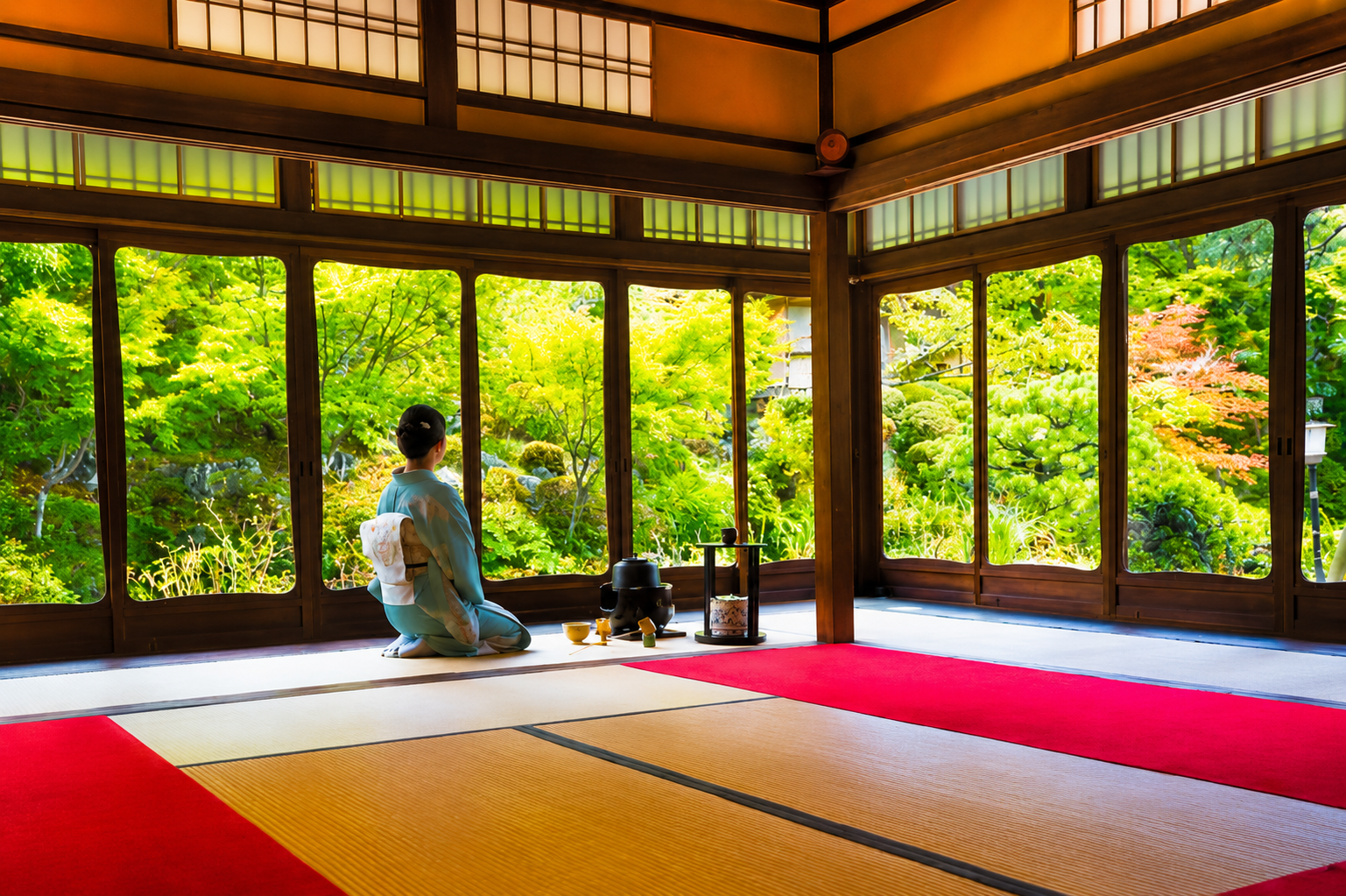
Participate in an authentic matcha ritual within a historic tea house surrounded by a tranquil Japanese garden
Reserve
2 hr
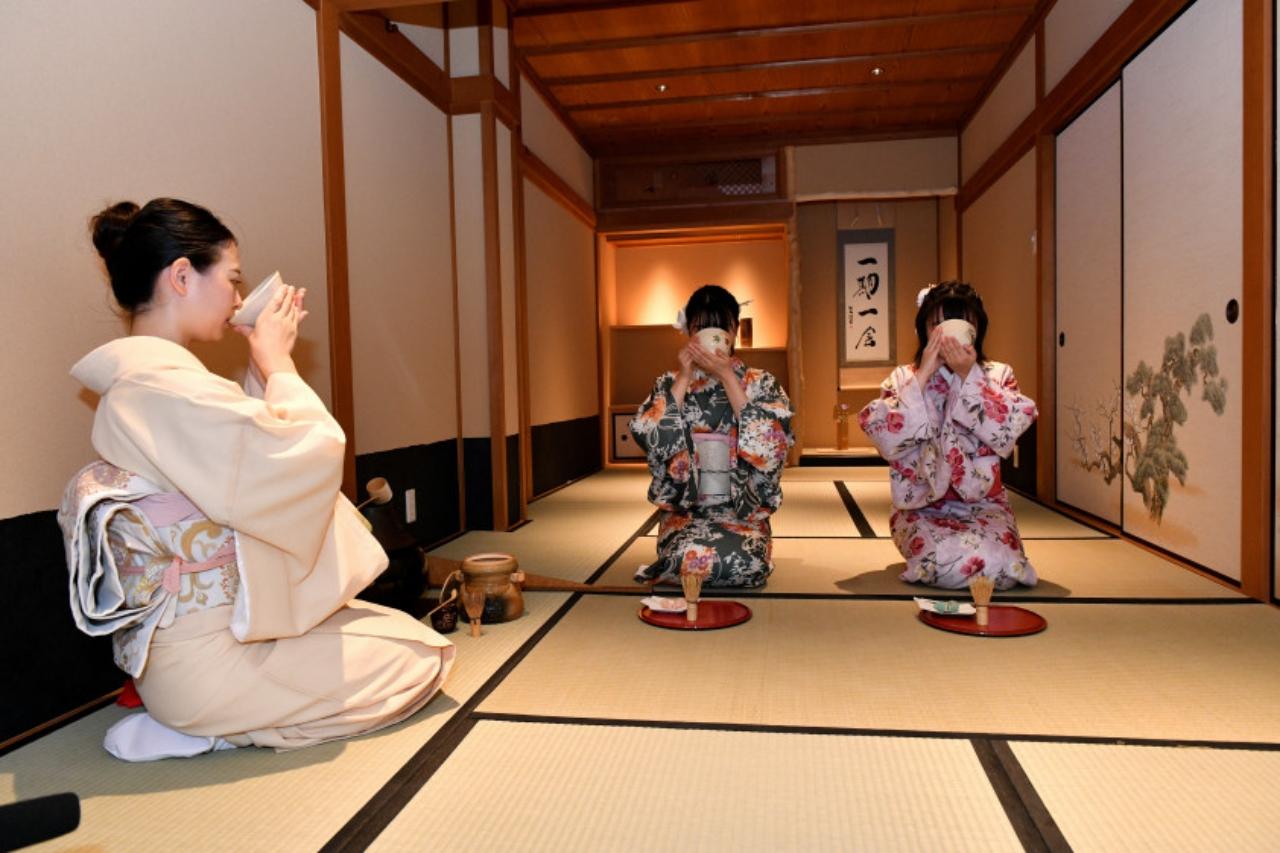
Dress in traditional attire and master the art of matcha preparation in Kyoto's historic district
ReservePrices from verified partners. Availability updates in real time at checkout. Free cancellation policies apply where shown.
Every Jotokuji Temple Tea Ceremony tour side-by-side — duration, what's included, how you redeem.
| Experience | Duration | Rating | Guide | Small group | Free cancel. | Price | |
|---|---|---|---|---|---|---|---|
|
Standard Entry Most popular
Traditional Tea Ceremony at Jotokuji Temple
|
1 hr 10 min | ★ 4.9 | ✓ | ✓ | ✓ | €24 | Book → |
|
Standard Entry
Garden Tea House Ceremony Near Kiyomizu-dera
|
45 min | ★ 4.8 | — | ✓ | ✓ | €42 | Book → |
|
Standard Entry
Gion Kimono Tea Ceremony Experience
|
2 hr | ★ 4.9 | — | ✓ | ✓ | €42 | Book → |
All prices from verified partners. Availability and exact terms confirmed at checkout.
Jotokuji Temple offers a contemplative, spiritual atmosphere that highlights the traditional practice, while commercial tea houses provide a more streamlined, social approach; choosing between them depends on whether you prioritize quiet reflection or high-frequency visitor convenience for your jotokuji temple tea ceremony tours.
| Feature | Top pick Jotokuji Temple | Commercial Tea Houses |
|---|---|---|
Atmosphere |
Meditative and tranquil | Bustling and social |
Group Size |
Small and intimate | Large group sessions |
Instruction Style |
Personalized guidance | Standardized demonstration |
Authenticity Level |
Traditional temple setting | Modernized tourist focus |
Customization for Weddings |
Available by request | Limited to standard packages |
| See tickets → |
Verdict: Those seeking the most genuine Kyoto landmarks experience should select the Jotokuji Temple tea ceremony tour, while travelers needing flexible booking for jotokuji temple tea ceremony tickets may find commercial houses more accommodating.
Choose your ticket, select your date, and reserve in under two minutes. Secure checkout handled by our verified partner.
Instant confirmation by email, with a mobile voucher you can save offline. No printing, no queuing at a collection desk.
Arrive at the entrance, show your voucher on your phone, and walk in. Most tickets include priority or skip-the-line access.
Practical details for Jotokuji Temple Tea Ceremony tickets straight from our verified partners — hours, access, rules, and how to get there.
556 Motoshiogamacho
Look for the wooden entrance sign
Open in Google MapsTake the subway to Kyoto Station then a short walk or taxi. Follow signage toward Shimogyo Ward for the easiest access to the Jotokuji temple tea ceremony.
Modest clothing is recommended when visiting this Kyoto landmark. Avoid overly casual attire to maintain the traditional atmosphere of the Jotokuji temple tea ceremony.
Large luggage should be left at your accommodation as there is limited space. Security personnel may ask to inspect bags upon entry to the Jotokuji temple tea ceremony site.
Photography is permitted in the garden areas, but please refrain from using flashes inside the tea room during your jotokuji temple tea ceremony tour.
The garden paths are paved, allowing for partial wheelchair access. Please coordinate with staff regarding specific needs for your jotokuji temple tea ceremony tickets.
Please set devices to silent mode before entering the tea room. Silence preserves the meditative focus of the Kyoto tea ceremony activity.
Children are welcome if they can remain quiet during the traditional ceremony. The serene environment of the Jotokuji temple tea ceremony requires a calm demeanor.
External food and beverages are not allowed inside the temple halls. Refreshments are typically provided as part of the formal jotokuji temple tea ceremony experience.
No animals are permitted on the temple grounds. Service animals must be cleared in advance of your visit.
Remove your shoes before entering the indoor spaces of Jotokuji Temple. Staff will guide you through the etiquette of the Japanese tea ceremony upon arrival.
Best time to go, insider tips, nearby landmarks, and the cancellation fine print — flip through to skim what matters to you.
How crowds, weather, and events shift across the year.
March to May offers pleasant temperatures and blooming greenery, perfect for this Kyoto landmark visit. Expect larger crowds during the cherry blossom peak season.
Small details that turn a good visit into a great one.
Reserve your jotokuji temple tea ceremony tickets well in advance during peak seasons. High demand often fills available slots quickly during spring and autumn.
Non-bookable sights within a short walk — free to visit, easy to pair.
A historic Buddhist temple with impressive wooden structures. It is a major Kyoto landmark near the tea venue.
Flexible, no hidden fees.
Cancellations must be made within the specified window provided at booking to qualify for a refund. Please note that the 0 JPY entrance fee for temple grounds is separate from any paid tea ceremony sessions.
Hand-picked options within walking distance — pick a district for vibe, or a specific hotel for convenience.
A convenient area with numerous hotels and guesthouses. This district provides easy access to the Jotokuji temple tea ceremony.
The 16th-century practice of chanoyu — the Way of Tea — found a quiet home in Shimogyo Ward long before Kyoto's tourist corridors formed around it.
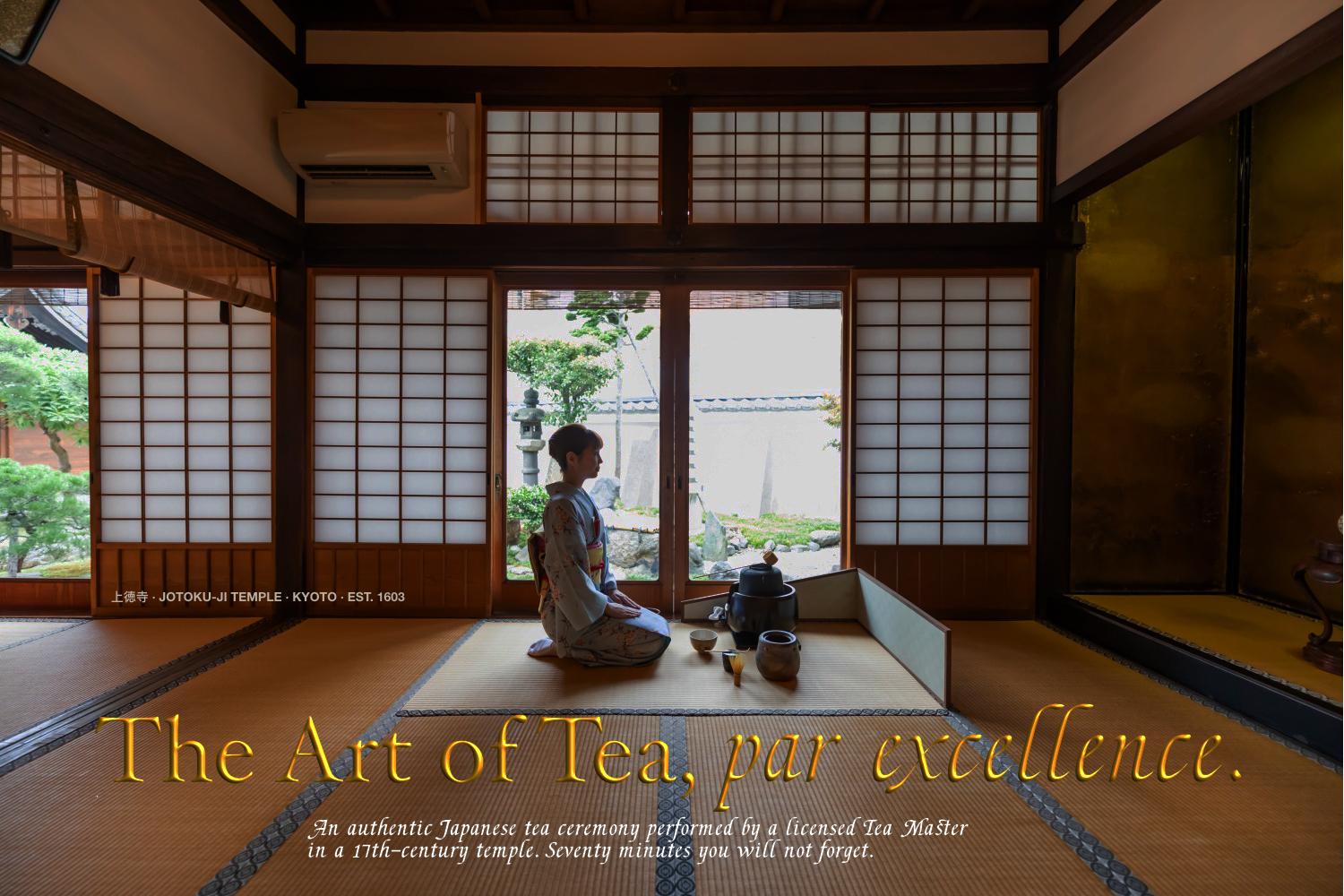
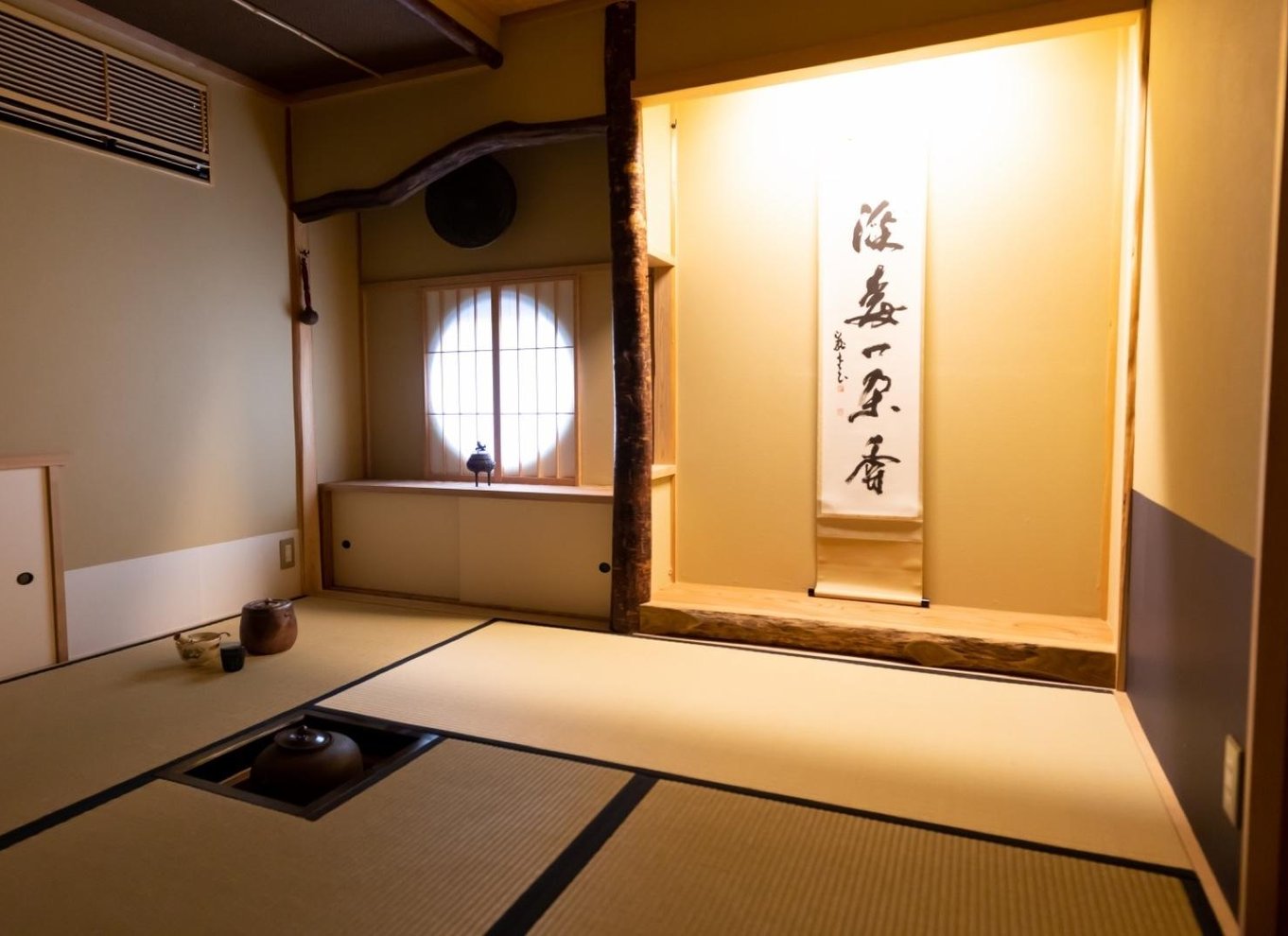
Jotokuji Temple, established during the early Edo period, has hosted tea practitioners for generations, its tearoom designed according to principles laid down by Sen no Rikyū: low doorways to promote humility, tatami floors worn smooth by centuries of footsteps, alcoves that frame single scrolls and seasonal flowers. The temple's connection to tea ceremony culture runs deeper than hospitality. Its founding monks studied under lineages that shaped chanoyu into a spiritual discipline, and the temple grounds preserve architectural elements — stone water basins, raked gravel paths, meticulously pruned pines — that transform the approach to the tearoom into meditation.
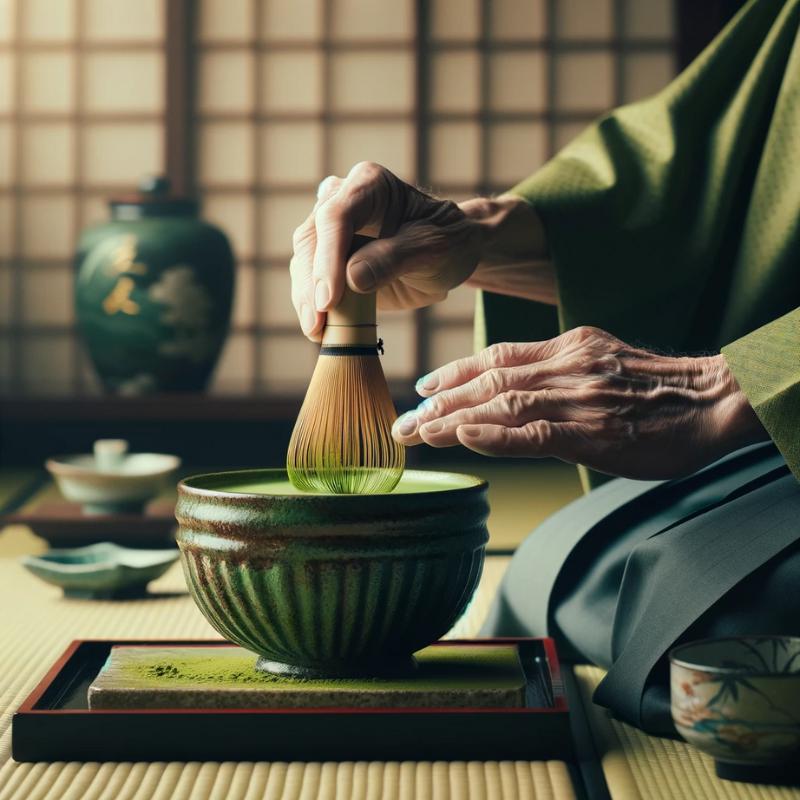
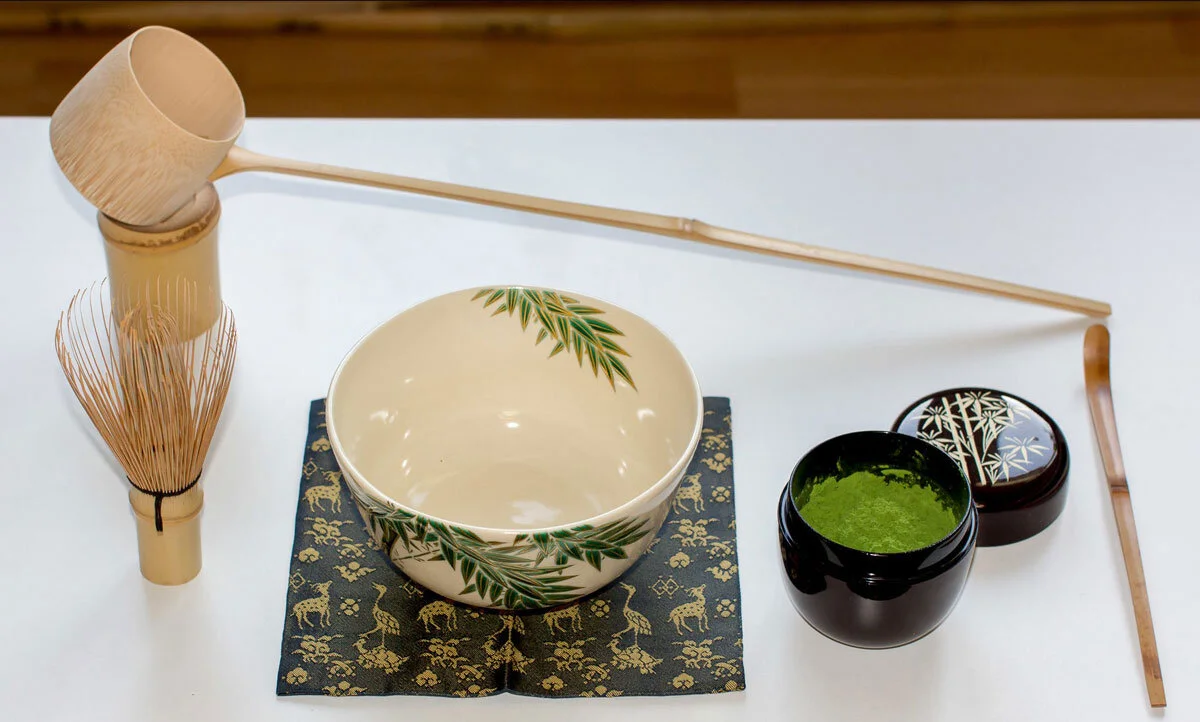
Today the Jotokuji temple tea ceremony operates through Tea Ceremony Juan, a practitioner-led initiative that maintains strict adherence to Urasenke or Omotesenke schools depending on the season and instructor. Sessions occur in the temple's original chashitsu, a four-and-a-half-mat room rebuilt in 1847 after fire damage but retaining its Momoyama-era proportions. Unlike commercial venues in Gion or Arashiyama, Jotokuji limits group sizes to six participants, preserving the contemplative silence that defines authentic practice. The ceremony itself follows a choreographed sequence: guests purify hands at the tsukubai basin, enter through the nijiriguchi crawl-through entrance, observe the host's preparation of matcha using bamboo whisks and iron kettles heated over charcoal, then receive their bowls with prescribed hand positions and rotations. What tea is used in Japanese tea ceremony? Matcha — powdered green tea from shade-grown tencha leaves — whisked to a froth that balances bitterness with umami.
The temple's location in Motoshiogamacho places it within walking distance of Kyoto Station yet removed from the foot traffic that saturates eastern temple districts. Weekday mornings offer the most faithful experience, when natural light filters through shoji screens and the only sounds are the kettle's murmur and the whisk against ceramic. Instructors provide context in English or Japanese, explaining not just technique but the philosophical underpinnings: ichigo ichie, the notion that each gathering occurs only once, and wabi-sabi, the aesthetic of imperfection that governs every bowl's shape and glaze. For those wondering how to make tea for wedding tea ceremony, the principles remain identical — the same matcha grade, the same whisking method, the same emphasis on presence — though wedding contexts often compress the ritual into abbreviated forms. Jotokuji's sessions run the full 60 to 90 minutes, refusing compromise. The temple grounds remain free to enter, but the ceremony itself requires advance booking and a separate fee, a distinction that preserves the tearoom's sanctity while welcoming those who approach with genuine interest rather than casual curiosity.

"Each gathering occurs only once — ichigo ichie governs every whisk stroke and bow."
A step-by-step walkthrough of Jotokuji Temple Tea Ceremony tickets — what you'll see, how long each stage takes, and the details that matter.
You arrive at 556 Motoshiogamacho before 10 a.m., when Shimogyo Ward still holds its morning quiet. The temple gate opens directly from the street — no ticketing kiosk, no crowd queues — and you follow stone pavers past a small main hall to a side garden where a low wooden structure waits. This is the chashitsu.
You remove your shoes, rinse your hands at the stone basin outside, then crouch to pass through the nijiriguchi entrance, a doorway designed to humble samurai and monks alike.
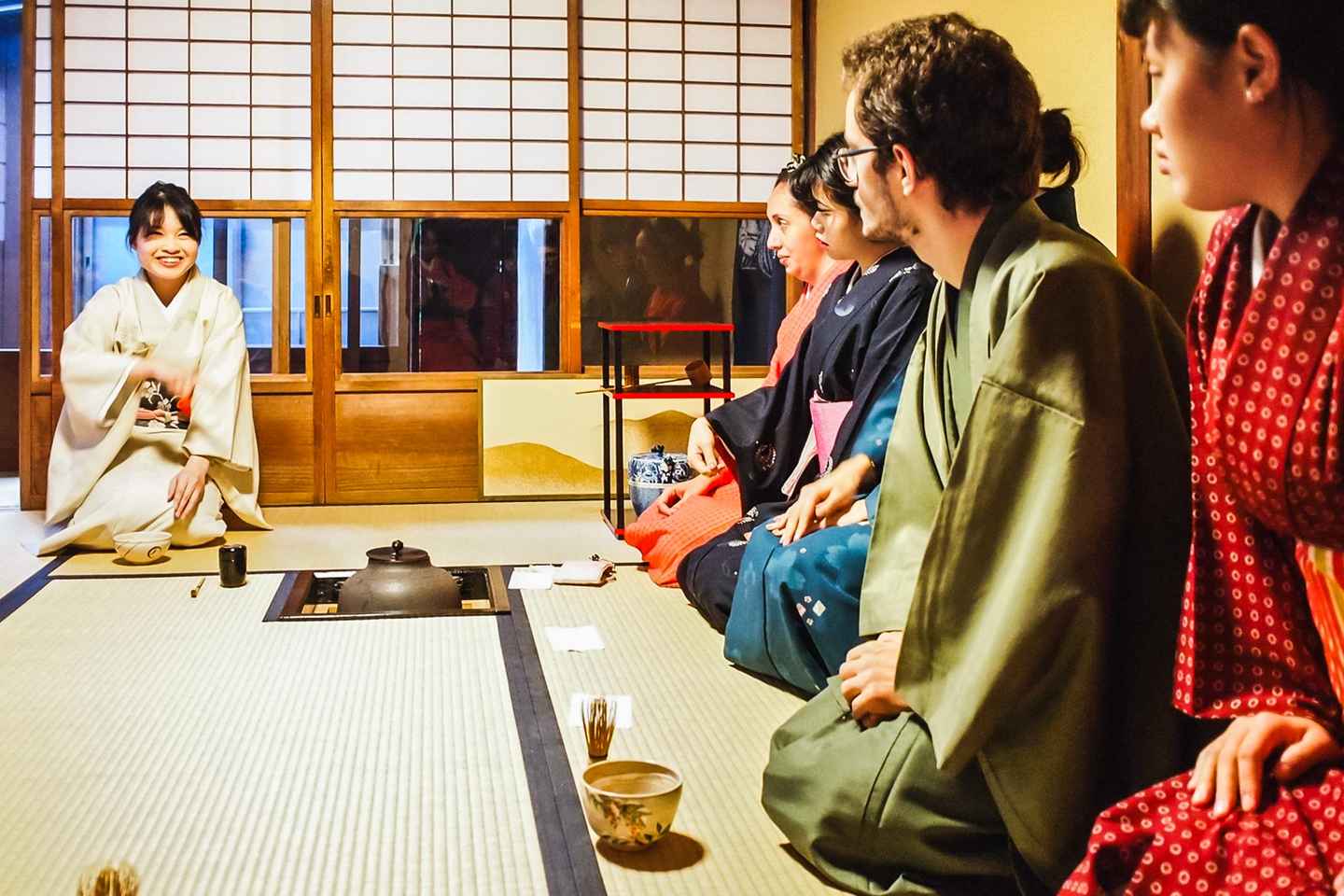
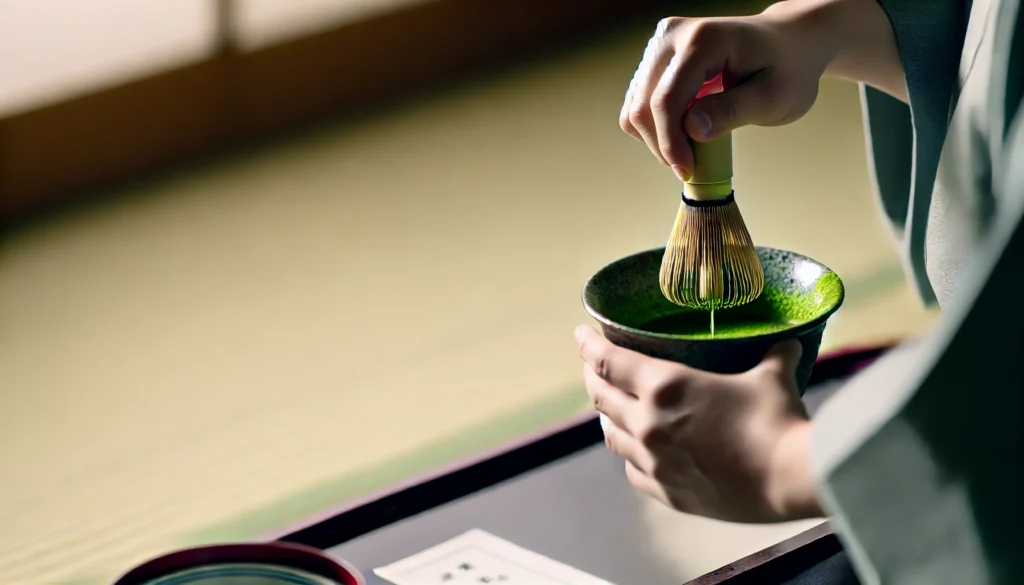
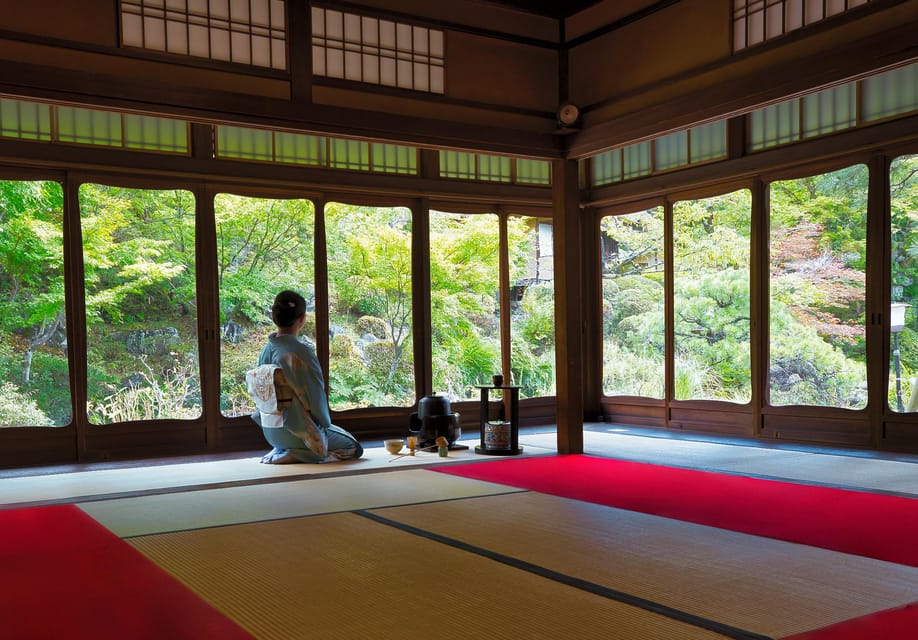
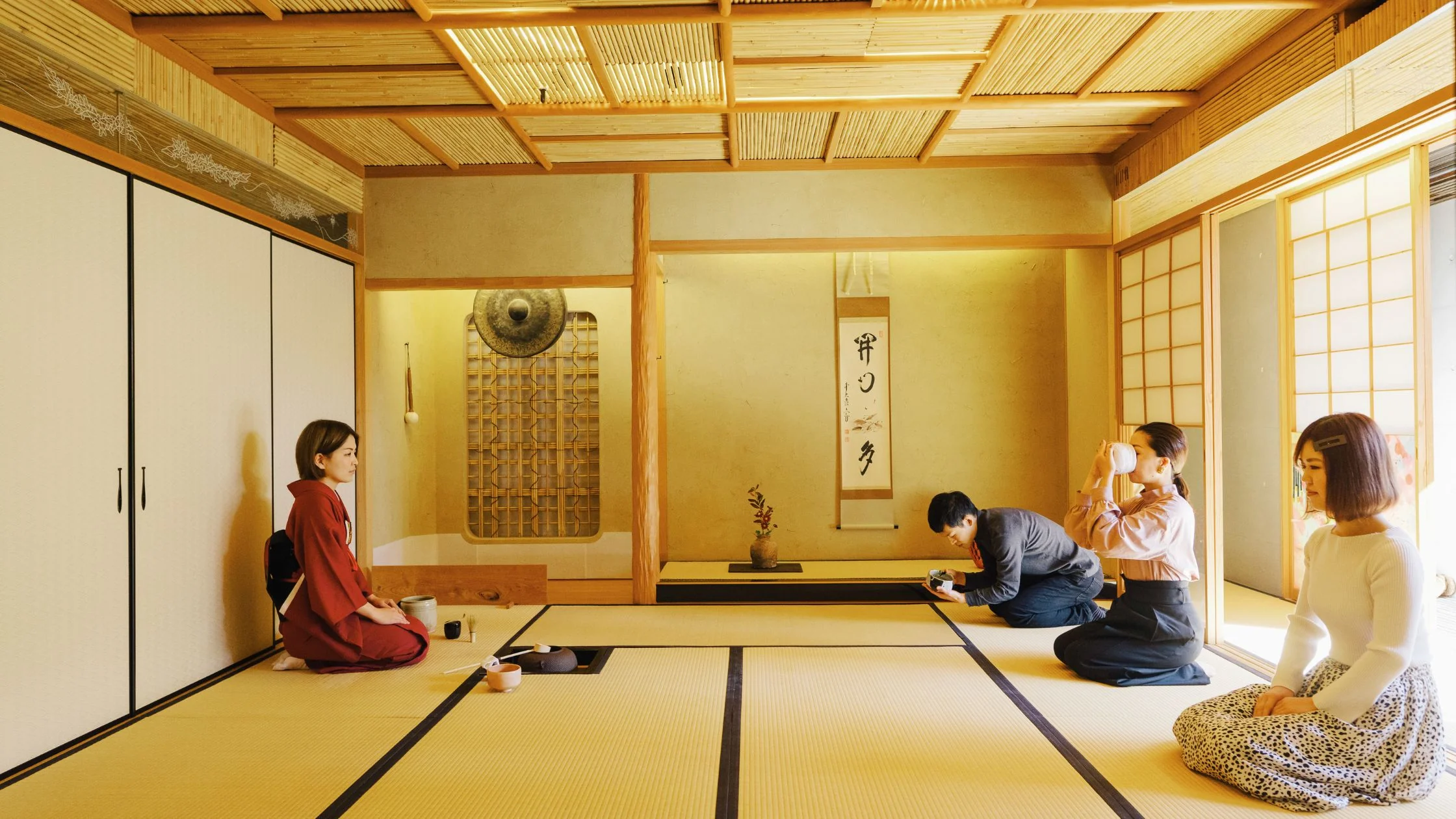
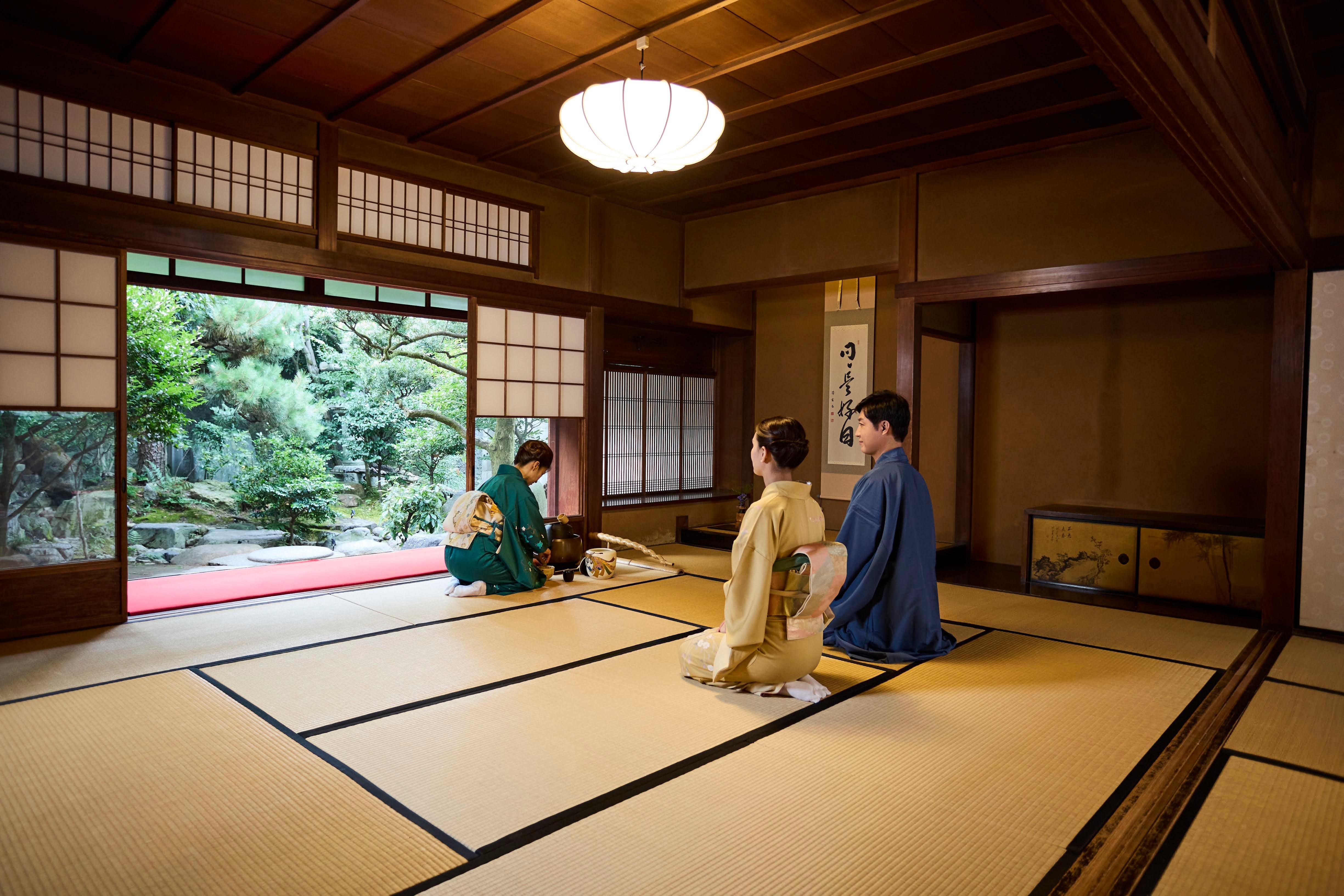
Inside, the tearoom holds five other guests seated on tatami in seiza position. The host kneels at the far end, kimono sleeves tied back, charcoal glowing beneath an iron kettle. Silence. The host ladles water, warms the bowl, adds two scoops of vivid green matcha, then whisks in a precise rhythm — wrist rotation, not arm movement — until foam peaks. The first bowl travels to the guest of honor with a bow. You receive yours minutes later, rotating it twice clockwise before drinking, the matcha thick and astringent and slightly sweet. The host explains: this grade of matcha comes from Uji, first harvest, stone-ground. You set the bowl down with both hands. The kettle hisses. Forty minutes pass as six bowls circulate, each prepared individually, and you understand why Jotokuji temple tea ceremony tickets specify session times — this cannot be rushed. When the host bows to close, you exit through the same low door, blinking into daylight, the taste of matcha still coating your palate.
The temple is open daily from 09:00–17:00.
There is 0 JPY entrance fee for temple grounds, though specific tea sessions require payment.
Weekday mornings between 09:00–16:00 offer the quietest experience for a jotokuji temple tea ceremony tour.
Yes, photography is allowed in the gardens, but please avoid flash during the jotokuji temple tea ceremony.
Children are welcome if they can observe the quiet nature of the jotokuji temple tea ceremony.
Parts of the temple are accessible, though specific areas of the Jotokuji temple tea ceremony may have limited access.
It is located at 556 Motoshiogamacho in Shimogyo Ward; check local transit maps for the best route to the Jotokuji temple tea ceremony.
No outside food is allowed inside the halls, though refreshments are included in the Jotokuji temple tea ceremony.
You can purchase jotokuji temple tea ceremony tickets through the official site at https://teaceremonyjuan.com.